

Engagement Planning 101: What Every Boston and NYC Couple Should Do First
Your step-by-step guide to starting wedding planning the right way

Congratulations! You're engaged! The ring is sparkling, your heart is racing, and your mind is probably spinning with a million ideas about your wedding day. If you're feeling overwhelmed by the endless Pinterest boards, vendor recommendations from well-meaning friends, and that growing list of "must-haves" for your big day, take a deep breath. You're not alone in this whirlwind of engagement excitement.
Here's the truth: the period right after your engagement is one of the most magical times in your relationship. But it can also feel chaotic if you dive headfirst into wedding planning without taking some essential first steps. Before you start booking photographers, venues, or caterers, there are some important things you need to do to ensure your wedding planning journey is smooth, intentional, and aligned with what you both truly want.
Why These First Steps Matter So Much
When couples skip these foundational steps, they often find themselves six months into planning, feeling stressed, over budget, and wondering if their wedding still reflects their original vision. By taking time upfront to get clear on your priorities, you'll save yourself countless headaches (and probably some money too) down the road.
Think of this as your roadmap to intentional wedding planning—one that honors your relationship, respects your budget, and creates the celebration you actually want, not just what everyone else expects.
Step 1: Celebrate Your Engagement (Seriously, Don't Skip This)
Before you do anything else, take time to truly celebrate this milestone with your partner. Your engagement is a once-in-a-lifetime moment, and it deserves to be savored. Too many couples get so caught up in the planning frenzy that they forget to actually enjoy being engaged.
Here's how to make the most of this special time:
Plan a quiet dinner together to talk about what this engagement means to you both
Take some time to call your closest family and friends personally
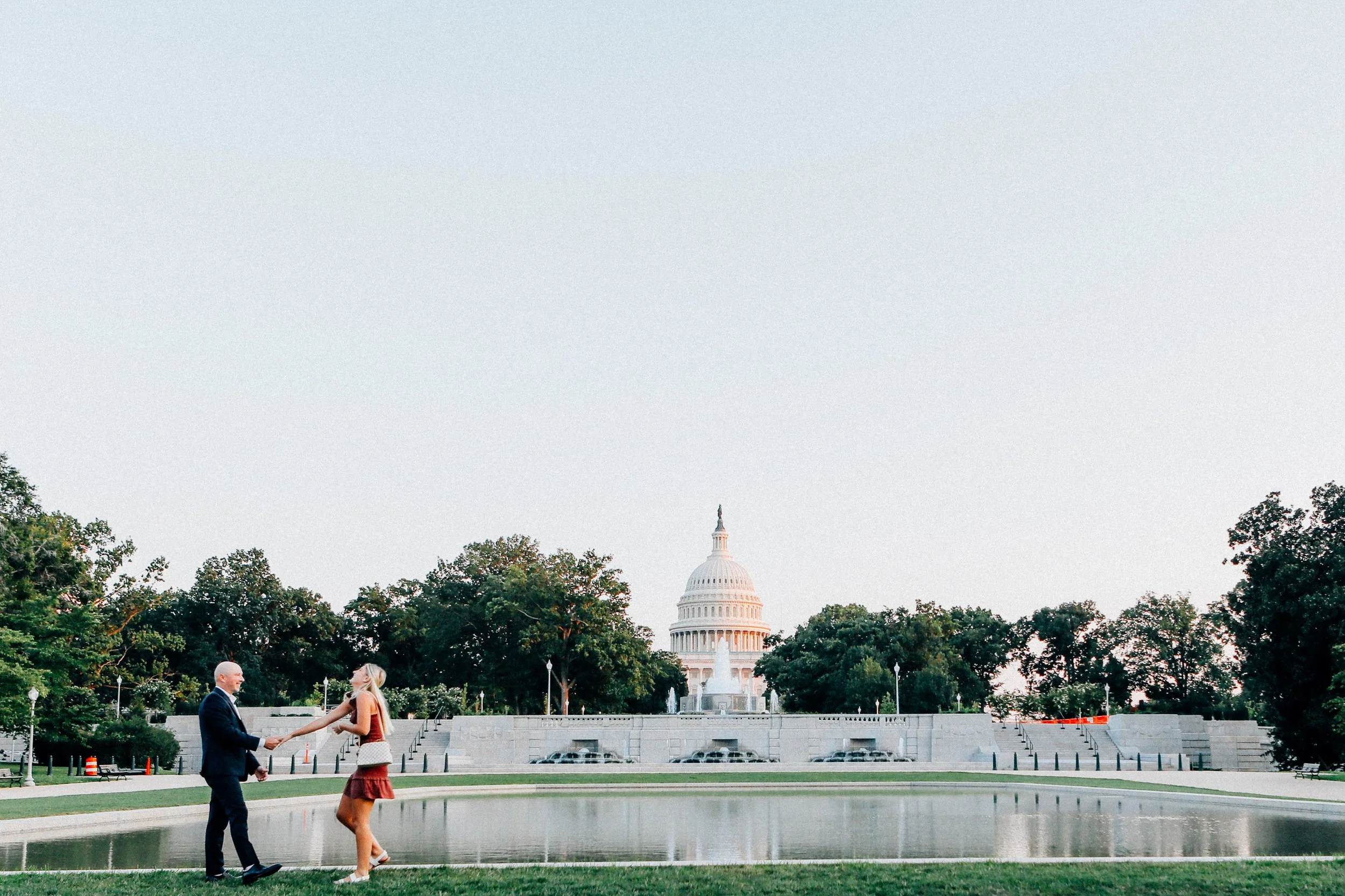
Consider scheduling a professional engagement session with a photographer who understands your style—whether you're drawn to the historic charm of Newport, the urban sophistication of New York City, or the classic elegance of Boston
Write down your feelings about this moment in a journal or letter to each other
Do something that feels authentically "you" as a couple to mark the occasion
Remember, once wedding planning kicks into high gear, it can be easy to lose sight of the romance and excitement that brought you to this point. Give yourselves permission to bask in the glow of your engagement before moving into planning mode.
Step 2: Have the Big Conversations with Your Partner
This is where the real work begins, and it's arguably the most important step in your entire wedding planning process. Before you start making decisions about flowers, food, or photographers, you need to get completely aligned with your partner about what you both want.
Vision and Values Alignment
Sit down together (phones away, distractions minimized) and discuss:
Your wedding vision: What does your dream wedding look and feel like? Are you imagining an intimate gathering in a historic New England venue, a sophisticated celebration in Manhattan, or a romantic seaside affair in Newport? Be specific about the atmosphere you want to create.
Your non-negotiables: What elements are absolutely essential to each of you? Maybe it's having your grandmother's ring incorporated into the ceremony, or ensuring you have plenty of time for portraits at an iconic location. These are the things you'll prioritize in your budget and planning.
Your flexible areas: Where are you willing to compromise? Understanding this upfront prevents conflicts later when you're making tough budget decisions.
Budget Reality Check
Money conversations aren't the most romantic part of engagement, but they're crucial. Discuss:
How much you can realistically spend without going into debt or sacrificing other important goals
Who will contribute what to the wedding budget
What elements you're willing to invest more in (like bespoke fine art photography to capture your day beautifully)
Where you can save money without compromising your vision
Guest List Philosophy
Your guest list will drive almost every other decision you make, so get aligned early:
Do you want an intimate celebration with just your closest loved ones?
Are there family expectations or traditions you need to consider?
How important is it to include work colleagues, extended family, or childhood friends?

Step 3: Set Your Timeline and Priorities
Determine Your Ideal Timeline
Most couples need 12-18 months to plan their wedding, but this can vary based on your vision and location. Consider:
Seasonal preferences: Do you have your heart set on fall foliage in New England or spring blooms in Central Park?
Venue availability: Popular locations in Boston, Newport, and NYC book up quickly
Personal schedules: Work commitments, family events, or other important dates
Photography considerations: If you want engagement photos and wedding photography from the same artist, factor in time for both sessions
Create Your Priority List
Not everything can be your top priority. Rank these elements in order of importance to you both:
Photography and videography (because these are your lasting memories)
Venue and catering
Music and entertainment
Flowers and decor
Attire
Stationery and details
This priority list will guide your budget allocation and help you make decisions when you can't have everything you want.
Step 4: Research and Dream (But Don't Book Yet)
Now comes the fun part—inspiration gathering! But approach this strategically:
Create Organized Inspiration
Start Pinterest boards for different elements (venue, photography style, florals, etc.)
Save Instagram posts that speak to you
Collect photos of real weddings that capture the feeling you want

Research Your Market
If you're planning a wedding in Boston, Newport, New York City, or anywhere in New England, start familiarizing yourself with:
Typical venue styles and price ranges in your area
Photographers whose work aligns with your aesthetic (look for those who specialize in luxury, timeless imagery)
Seasonal considerations for your chosen location
Any permits or restrictions for locations you're considering
Visit Venues (With Purpose)
Don't just book every venue tour available. Instead:
Choose 3-5 venues that align with your vision and budget
Prepare questions in advance
Bring your partner and maybe one trusted friend or family member
Take notes and photos to help you remember each space
Step 5: Build Your Vendor Dream Team Strategically
Start with Your Most Important Vendors
Based on your priority list, start researching vendors for your top priorities first. For many couples, this means:
Photography and Videography: Look for artists whose work resonates with your style and who have experience with your type of celebration. If you value artistic, timeless imagery, seek out photographers with backgrounds in fine art or luxury wedding photography.
Venue: This often determines your date and sets the tone for everything else.
Catering: Food and service quality can make or break your guest experience.

Look Beyond the Portfolio
When researching vendors, consider:
Communication style: Do they respond promptly and professionally?
Experience with your vision: Have they worked with couples who share your aesthetic and values?
Reviews from real couples: Look for consistent themes in their feedback
Investment level: Does their pricing align with your budget and the value they provide?

Step 6: Plan for the Planning Process
Create Systems That Work
Wedding planning can quickly become overwhelming without good systems:
Choose one platform for organizing everything (whether it's a planning app, spreadsheet, or physical binder)
Set up a dedicated email address for wedding-related correspondence
Create a shared calendar for wedding tasks and deadlines
Establish regular check-ins with your partner to stay aligned
Set Boundaries
Decide how much input you want from family and friends
Choose specific times for wedding planning so it doesn't take over your entire relationship
Agree on who has the final say on different decisions
Plan regular "wedding-free" date nights to maintain your connection
Common Mistakes to Avoid in These Early Stages
Don't Book Everything at Once
It's tempting to secure all your vendors quickly, but rushing can lead to decisions you'll regret. Take time to research and meet with multiple options.
Don't Let Others Drive Your Vision
Well-meaning family and friends will have lots of opinions. Listen respectfully, but remember this is your celebration.
Don't Forget About the Marriage
Wedding planning can become so consuming that couples forget to nurture their relationship. Make time for each other beyond planning conversations.
Don't Compromise on What Truly Matters
If having stunning photography is important to you, don't cut corners on that investment to save money for things that matter less to you.

Moving Forward with Confidence
Once you've completed these foundational steps, you'll be ready to start booking vendors and making concrete plans. You'll have clarity about your vision, alignment with your partner, and systems in place to keep everything organized.
Remember, your engagement period should be joyful, not stressful. By taking these important first steps, you're setting yourself up for a planning process that feels manageable and a wedding day that truly reflects who you are as a couple.
Whether you're dreaming of an elegant celebration in Boston's historic venues, a romantic seaside wedding in Newport, or a sophisticated urban affair in New York City, these foundational steps will serve you well. Take your time, trust your instincts, and remember that the best weddings are the ones that feel authentically yours.
Frequently Asked Questions
How long should we take before starting to book vendors? Give yourselves at least 2-4 weeks to complete these foundational steps. Rushing into vendor bookings without clarity often leads to regret and additional stress later.
What if we disagree on major elements during our planning conversations? This is completely normal! Use these disagreements as opportunities to understand each other better. Consider what's driving each person's preferences and look for creative solutions that honor both perspectives.
Should we hire a wedding planner before doing these steps? A good wedding planner can actually help facilitate these conversations and provide valuable guidance during this phase. If you're considering hiring one, this might be the perfect time to bring them on board.
How do we handle family pressure during this decision-making process? Set boundaries early and present decisions as a united front. Thank family for their input, but make it clear that you and your partner will make the final decisions together.
Remember, this is just the beginning of your wedding planning journey. Take it one step at a time, stay connected with your partner, and trust that by doing this important groundwork, you're creating the foundation for not just a beautiful wedding, but a strong marriage.
